D2C brand
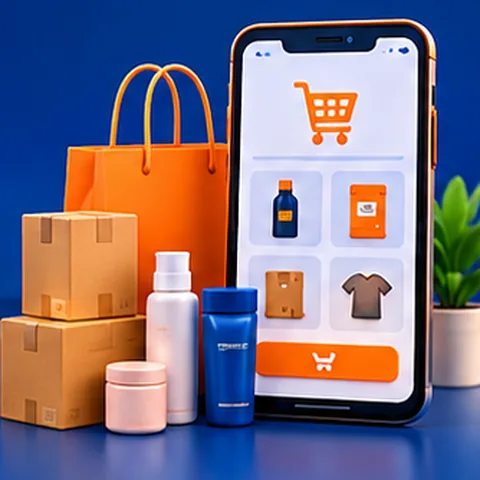
You create your own brand of snacks, spices, cosmetics, clothing or home products and sell it straight to customers through your website, Instagram, marketplaces and quick-commerce apps, instead of through distributors.
Why now
Online shoppers across India now buy regional and natural products from small brands. Tamil Nadu's traditional foods, handlooms and natural cosmetics have a ready story.
Who it suits
Home cooks and makers with a product people already love, and young founders good at social media.
What you need
- A product with a clear difference, and either your own unit or a contract manufacturer.
- Licences for your product: FSSAI for food, cosmetics licence for beauty products, and Legal Metrology details on every pack.
- Brand name and logo (apply for a trademark early), good packaging and product photos.
- A website with payments, marketplace accounts and a courier partner.
How to start, step by step
- Sell 200–300 packs to friends, local shops and exhibitions and collect honest feedback.
- Fix the recipe, shelf life (get a lab test) and packaging.
- Take the licences, GST and trademark application, then open your online store.
- Build an audience on Instagram and YouTube with real stories of how the product is made.
- Track cost per order (ads, packing, courier, returns) every week.
- Join quick-commerce and modern retail once repeat orders are strong.
Rough starting cost
| Product development, lab tests and licences | ₹50,000–2 lakh |
| Packaging design and first stock | ₹1–8 lakh |
| Website, photos and brand | ₹50,000–2 lakh |
| Online ads for the first six months | ₹1–8 lakh |
| Typical total | ₹3–20 lakh |
|---|
How it earns
Product margin. Example: a ₹300 pack that costs ₹120 to make leaves about ₹60–90 after ads, packing and courier; repeat customers are where the profit comes from.
These are rough examples for a small team, not a promise of income. Make your own plan with real quotes.
Risks to watch
- Ad costs can eat all the profit; build organic followers and repeat buyers.
- Returns and damaged parcels hurt; test packaging hard.
- Copying is easy; build a brand and story, not just a product.
Support you can apply for
We show the steps; you apply yourself on the official websites. VyaparaHub does not arrange funding.
DPIIT startup recognition
Who can apply: A private limited company, LLP or partnership with an innovative product or service, generally up to 10 years old.
What you get: Not money itself; it is the first step for most government startup schemes and tax benefits.
How to apply: Apply online on the Startup India portal with incorporation certificate and a short note on your innovation. Free.
startupindia.gov.in ↗TANSEED (StartupTN)
Who can apply: Startups registered in Tamil Nadu, listed with StartupTN and recognised by DPIIT.
What you get: Equity-linked grant: up to ₹15 lakh for green-tech, rural-impact and women-led startups, up to ₹10 lakh for others (TANSEED 8.0), plus a one-year accelerator.
How to apply: Apply online on the StartupTN website when a round opens; rounds open for about two weeks.
startuptn.in ↗Government and college incubators
Who can apply: Early founders who need a desk, mentors and access to grants.
What you get: Office space, mentoring and a route to seed grants; some take a small equity share.
How to apply: Approach incubators at IITs, Anna University, engineering colleges or StartupTN regional hubs with your idea and a pitch deck.
startupindia.gov.in ↗Angel investors and angel networks
Who can apply: Founders with a working product or early customers.
What you get: Usually ₹25 lakh to ₹2 crore for a share of the company.
How to apply: Apply through networks such as The Chennai Angels or Indian Angel Network, or platforms such as LetsVenture, with a pitch deck.
thechennaiangels.com ↗More startup ideas

AI automation for local businesses
₹2–10 lakh
SaaS software for one industry
₹5–25 lakh