EV charging and service
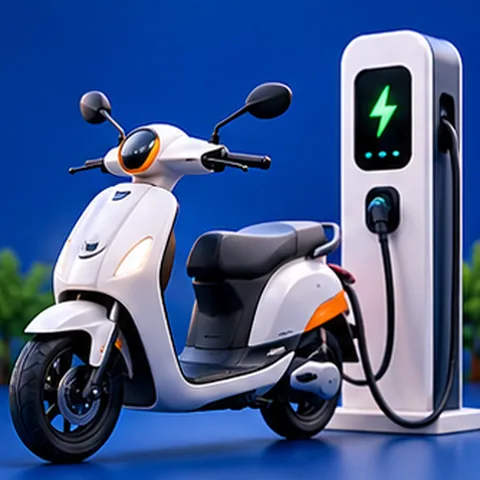
You set up charging points for electric two- and three-wheelers and cars, run a battery-swapping station, or open a service centre that repairs electric vehicles and batteries.
Why now
Electric scooters and autos are growing fast in Tamil Nadu, but charging and trained mechanics are still scarce outside big cities.
Who it suits
Two-wheeler mechanics, diploma holders in electrical or automobile engineering, and owners of petrol bunks, parking lots or shops on busy roads.
What you need
- A place with parking on a busy road, and enough electricity load from your power distributor (TNPDCL in Tamil Nadu).
- Chargers that meet the Central Electricity Authority and BIS standards, installed by a licensed electrical contractor.
- For service: battery and motor diagnostic tools, and training from EV makers.
- Fire safety equipment and insurance, because batteries can catch fire.
How to start, step by step
- Count the EVs around your location and talk to delivery riders and auto drivers about where they charge today.
- Check with your power distributor about the connection type and tariff for EV charging.
- Start with a few slow chargers plus repair work, which brings steady income.
- Tie up with EV makers and fleet operators (delivery companies, auto unions) for regular customers.
- List your station on charging apps and Google Maps.
- Add fast chargers or battery swapping once usage is proven.
Rough starting cost
| Chargers (slow and one fast) | ₹2–20 lakh |
| Electrical connection, transformer share and wiring | ₹1–10 lakh |
| Shed, parking and signage | ₹2–8 lakh |
| Service tools, spares and training | ₹2–6 lakh |
| Typical total | ₹8–50 lakh |
|---|
How it earns
Per charge or service fee. Example: a margin of a few rupees per unit of electricity sold, plus ₹300–1,500 per service job; repair work often earns more than charging in the first years.
These are rough examples for a small team, not a promise of income. Make your own plan with real quotes.
Risks to watch
- Charger use may be low at first; don't buy expensive fast chargers too early.
- Battery fires are a real danger; follow safety rules and train staff.
- Technology and EV makers' policies change quickly; keep your setup flexible.
Support you can apply for
We show the steps; you apply yourself on the official websites. VyaparaHub does not arrange funding.
DPIIT startup recognition
Who can apply: A private limited company, LLP or partnership with an innovative product or service, generally up to 10 years old.
What you get: Not money itself; it is the first step for most government startup schemes and tax benefits.
How to apply: Apply online on the Startup India portal with incorporation certificate and a short note on your innovation. Free.
startupindia.gov.in ↗TANSEED (StartupTN)
Who can apply: Startups registered in Tamil Nadu, listed with StartupTN and recognised by DPIIT.
What you get: Equity-linked grant: up to ₹15 lakh for green-tech, rural-impact and women-led startups, up to ₹10 lakh for others (TANSEED 8.0), plus a one-year accelerator.
How to apply: Apply online on the StartupTN website when a round opens; rounds open for about two weeks.
startuptn.in ↗Government and college incubators
Who can apply: Early founders who need a desk, mentors and access to grants.
What you get: Office space, mentoring and a route to seed grants; some take a small equity share.
How to apply: Approach incubators at IITs, Anna University, engineering colleges or StartupTN regional hubs with your idea and a pitch deck.
startupindia.gov.in ↗More startup ideas

AI automation for local businesses
₹2–10 lakh
SaaS software for one industry
₹5–25 lakh