Local logistics
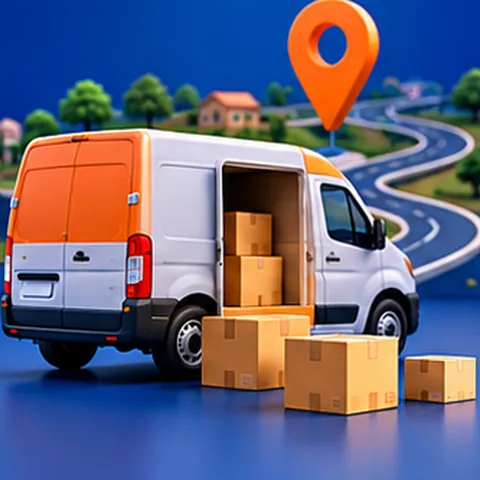
You deliver goods within your district on the same day for shops, small manufacturers, pharmacies and online sellers, using two-wheelers, e-autos and small vans, with app-based booking and tracking.
Why now
Online orders now reach small towns, but big couriers are slow inside districts and local businesses have no reliable delivery partner.
Who it suits
People who know the town's roads and businesses well and are good at managing riders and timings.
What you need
- Riders and vehicles (own or attached), with commercial registration and insurance.
- A booking, routing and tracking app, and proof of delivery by photo or OTP.
- A small hub to sort parcels, with CCTV.
- Cash-on-delivery handling rules and daily settlement.
How to start, step by step
- Sign 10 regular shippers (shops, pharmacies, online sellers) before buying any vehicle.
- Start with attached riders on two-wheelers and a simple WhatsApp booking system.
- Fix clear prices by distance and weight, and publish delivery cut-off times.
- Register the business, GST and Udyam, and get goods-in-transit insurance.
- Add e-autos or small vans as volume grows; EVs cut fuel cost a lot.
- Tie up with national couriers as their last-mile partner in your district.
Rough starting cost
| Vehicles (two-wheelers, one e-auto or van) | ₹2–12 lakh |
| Hub rent, racks and CCTV | ₹1–4 lakh |
| App and phones | ₹50,000–3 lakh |
| Rider pay and working capital for three months | ₹1.5–6 lakh |
| Typical total | ₹5–25 lakh |
|---|
How it earns
Per delivery fee. Example: 400 deliveries a day at ₹40–60 each, with rider and fuel cost around ₹25–35 per delivery.
These are rough examples for a small team, not a promise of income. Make your own plan with real quotes.
Risks to watch
- Thin margins; route planning and full loads decide profit.
- Lost or damaged parcels and cash handling need tight controls.
- Rider turnover is high; pay on time and treat them well.
Support you can apply for
We show the steps; you apply yourself on the official websites. VyaparaHub does not arrange funding.
DPIIT startup recognition
Who can apply: A private limited company, LLP or partnership with an innovative product or service, generally up to 10 years old.
What you get: Not money itself; it is the first step for most government startup schemes and tax benefits.
How to apply: Apply online on the Startup India portal with incorporation certificate and a short note on your innovation. Free.
startupindia.gov.in ↗TANSEED (StartupTN)
Who can apply: Startups registered in Tamil Nadu, listed with StartupTN and recognised by DPIIT.
What you get: Equity-linked grant: up to ₹15 lakh for green-tech, rural-impact and women-led startups, up to ₹10 lakh for others (TANSEED 8.0), plus a one-year accelerator.
How to apply: Apply online on the StartupTN website when a round opens; rounds open for about two weeks.
startuptn.in ↗Government and college incubators
Who can apply: Early founders who need a desk, mentors and access to grants.
What you get: Office space, mentoring and a route to seed grants; some take a small equity share.
How to apply: Approach incubators at IITs, Anna University, engineering colleges or StartupTN regional hubs with your idea and a pitch deck.
startupindia.gov.in ↗More startup ideas

AI automation for local businesses
₹2–10 lakh
SaaS software for one industry
₹5–25 lakh